|
Getting your Trinity Audio player ready...
|
By Portus Chege
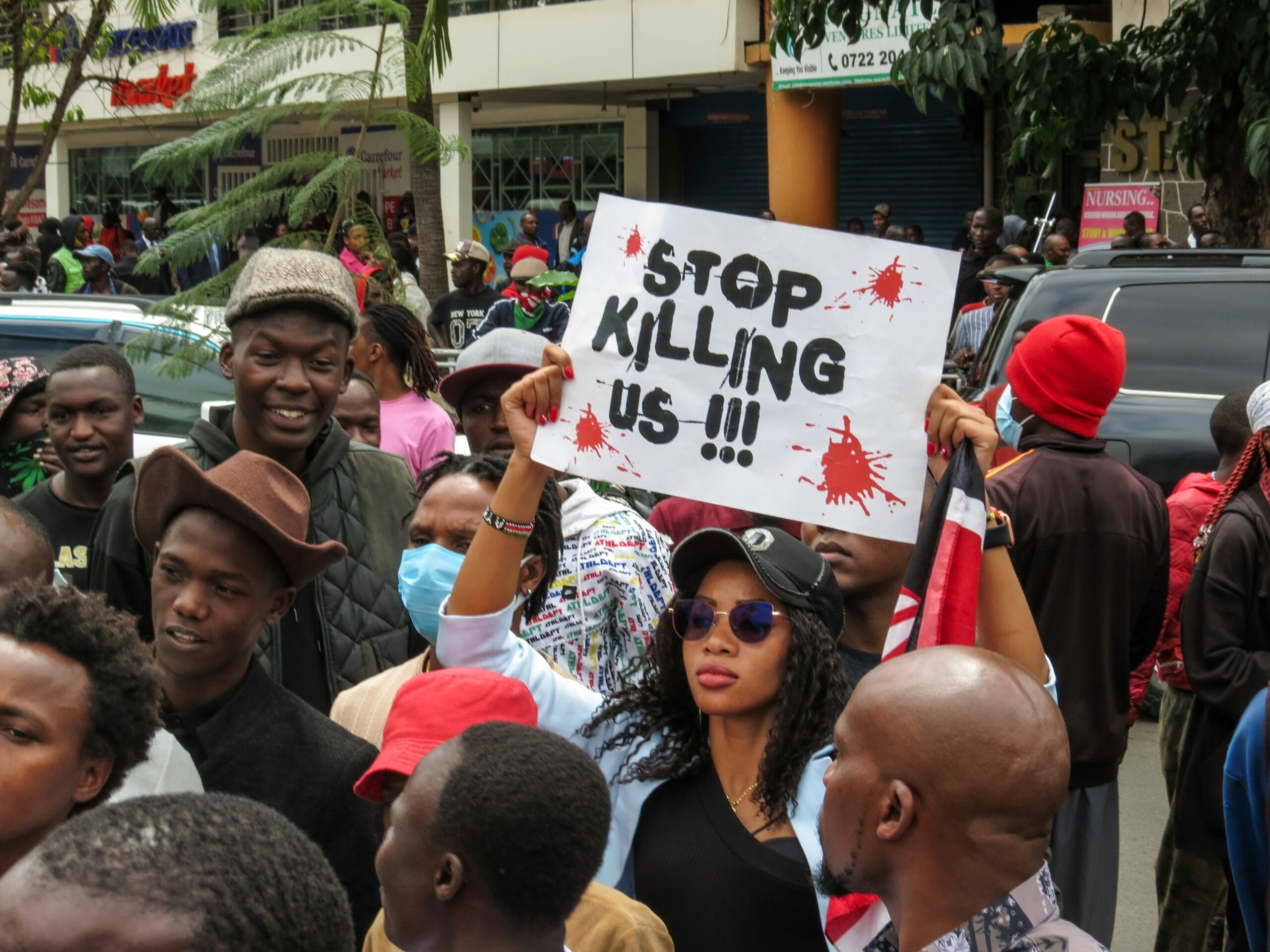
Nairobi, Kenya: The Kenyan government has once again resorted to brutal force to suppress dissent, as today’s Saba Saba protests turned deadly, with police opening fire on demonstrators across the country. At least 31 people have been confirmed dead as a result of the shooting, according to the Kenya Human Rights Commission (KHRC), while scores more are injured in what marks the bloodiest crackdown since last month’s anti-tax uprising. Goons also infiltrated the peaceful protests, looting businesses and vandalizing property across the country.
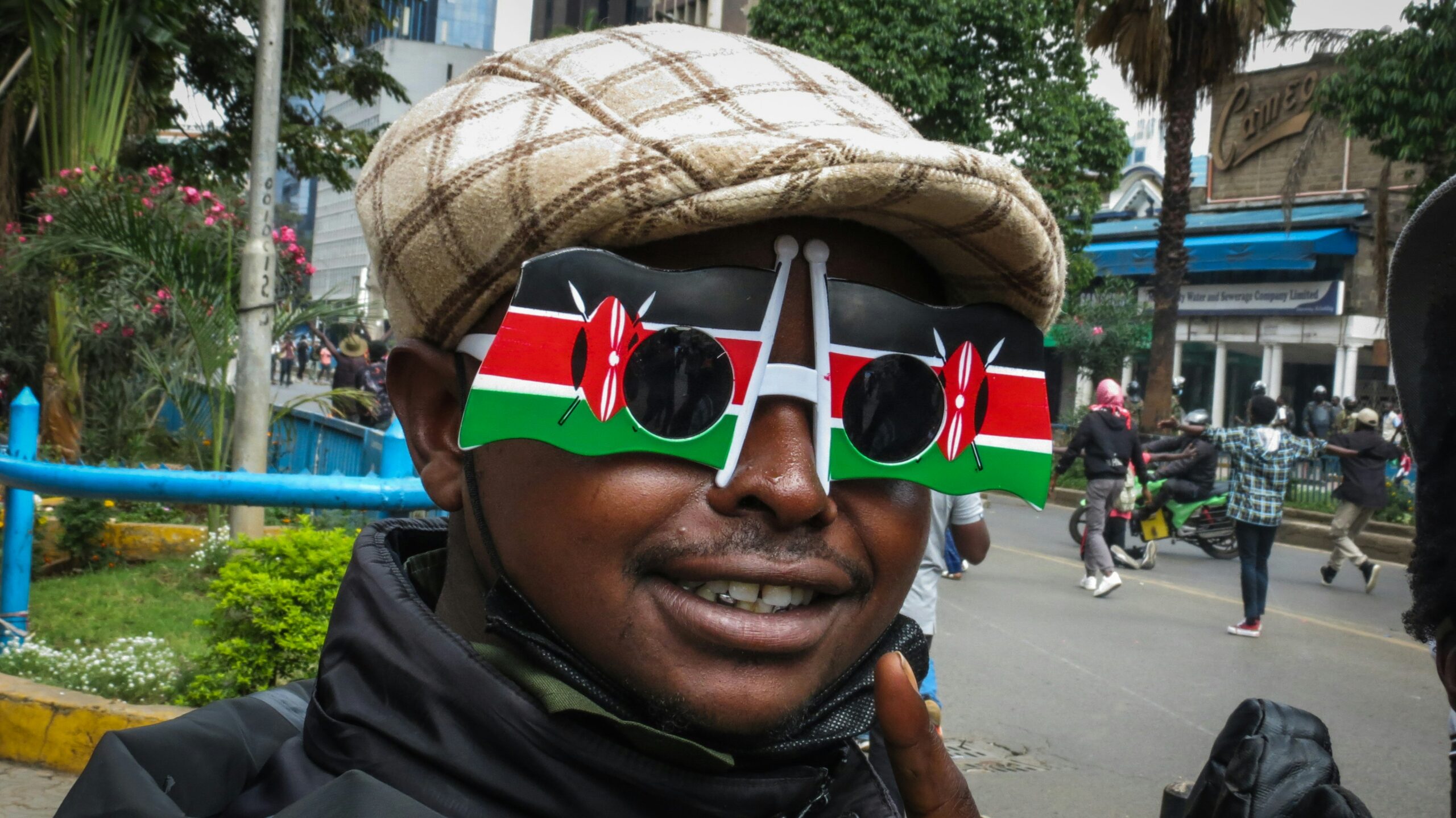
Commemorating the 35th anniversary of Kenya’s original Saba Saba pro-democracy uprising, they were met with overwhelming police violence, tear gas, and live bullets. The demonstrations—led by a coalition of activists, opposition leaders, and Gen Z protesters—sought to amplify demands for police accountability, an end to extrajudicial killings, and the resignation of President William Ruto’s government.
A Repeat of History?
On July 7, 1990, Kenya witnessed a similar massacre when autocratic President Daniel arap Moi deployed police to crush pro-democracy protests. Back then, activists like Kenneth Matiba, Charles Rubia, and Raila Odinga were arrested and beaten as they fought for multiparty democracy.
Today, history repeated itself—but with an even deadlier outcome. Protesters in Nairobi, Kisumu, Mombasa, and Nakuru faced military-style crackdowns, with officers shooting indiscriminately into crowds. Hospitals are overwhelmed, and social media is flooded with harrowing footage of bloodied bodies lying in the streets.
From Anti-Tax Protests to Full-Blown Resistance
The Saba Saba 2025 protests come just weeks after June’s anti-Finance Bill uprising, where 60 protesters were killed after storming Parliament. Though President Ruto withdrew the tax hikes, his government has since doubled down on repression, proposing laws to ban protests near government buildings and threatening military intervention.
“We will not be intimidated,” said Boniface Mwangi, a prominent activist. “The youth are tired of being shot for demanding their rights. Saba Saba is not just a date—it’s a revolution.”
Government’s Ominous Warning
In a chilling prelude to today’s violence, Charles Owino, head of the government’s communication center, had warned:
“If there is anarchy, the police will withdraw and let the military take over.”
True to their word, security forces today acted with impunity, deploying armored vehicles and snipers in some areas. Meanwhile, opposition leader Raila Odinga—once a victim of Moi’s repression—now stands accused of siding with the same regime cracking down on protesters.
What Next?
With tensions at a boiling point, Kenya teeters on the edge of a full-blown uprising. Protesters vow to continue demonstrations, while the government threatens even harsher measures.
As the death toll rises, one thing is clear: Kenya’s youth will no longer be silenced.