|
Getting your Trinity Audio player ready...
|
By Stanley Olisa
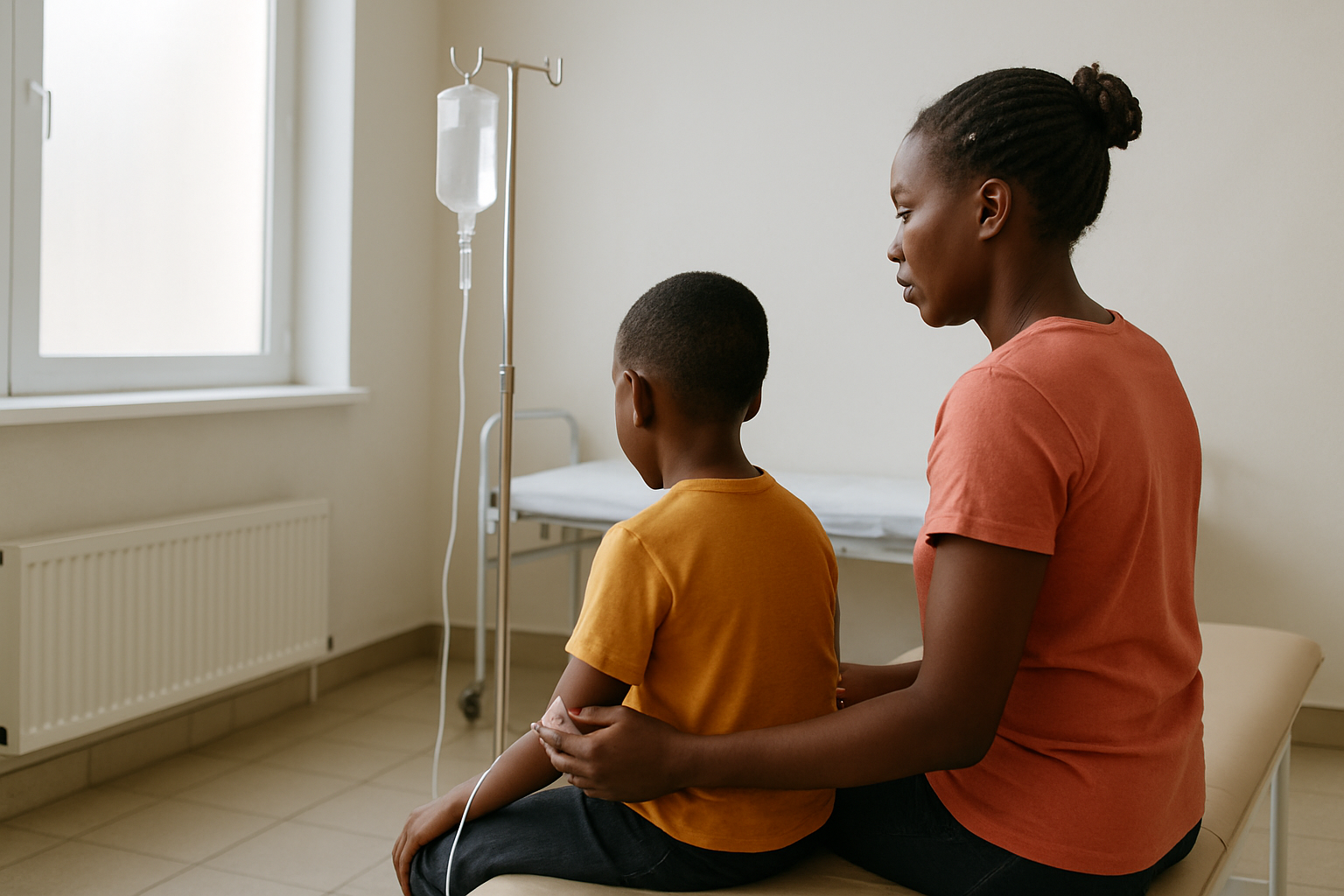
Bungoma County, Kenya—Children with sickle cell disease in one of Kenya’s most underserved regions are gaining access to lifesaving care, thanks to a new intervention by Helpster Charity. The international nonprofit is covering nine months of treatment—including medications, clinic visits, and lab tests—for 100 underprivileged children amid growing financial barriers to healthcare.
The initiative arrives as Kenya’s revamped Social Health Authority policy, which mandates annual (rather than monthly) insurance payments for informal workers, disrupts care for chronic conditions like sickle cell disease. Many families can no longer afford consistent treatment, leaving children at risk of severe complications.
“Sickle cell isn’t just a health issue—it’s a financial crisis for families,” says Dr. Beatrix Atieno, Helpster’s Kenya Country Manager. “We’ve seen children skip medications or miss clinics because their parents can’t pay upfront. This program stabilizes their health while helping families plan for long-term solutions.”
A Lifeline in High-Burden Regions
The program operates across four Bungoma County facilities:
- Mechimeru Model Health Centre (28 children)
- Bukembe Health Centre (23)
- Bulondo Health Centre (13)
- Bokoli Subcounty Hospital (3)
Participants receive hydroxyurea, folic acid, and paludrine—drugs vital for preventing infections and pain crises. Kenya records roughly 14,000 new sickle cell cases annually, with western regions like Bungoma facing disproportionately high rates.
Targeting the Most Vulnerable
To qualify, children must have a confirmed diagnosis and meet at least one vulnerability criterion, such as:
- Recent hospitalization for a sickle cell crisis
- Missed school due to illness
- Malnutrition or extreme poverty
“Every missed dose heightens risks,” Dr. Atieno emphasizes. “We’re also coaching families on income-generating activities to sustain care after the program ends.”
Helpster continues mobilizing global donors via its app and website, urging support for children excluded by systemic gaps. As sickle cell burdens mount in Kenya’s marginalized communities, such interventions may prove transformative.