|
Getting your Trinity Audio player ready...
|
By Sharon Kiburi
Kajiado County, Kenya: As we drove down to the vast farm in Namanga, we felt the shift in temperature and heat, making us feel as though we were sweating bullets under the relentless sun. Yet, to the locals, the weather felt refreshingly cool; many were even seen donning jackets. This striking contrast highlighted their accustomedness to their environment, inviting a deeper appreciation for the unique climate that shapes their lives.
Namanga, an area characterised by large ranches of semi-dry land, is approximately 170 km southeast of Nairobi, near the border of Kenya and Tanzania. Prof. Kinjanjui Mwangi, a climate change expert, has undertaken a significant farming project to cultivate Napier grass, also known as Juncao.
According to the report “State of the Climate Kenya,” in 2023, Kenya experienced higher-than-normal temperatures in most regions, continuing a long-term trend of warming. 2024 became the hottest year on record for Kenya, reflecting the global rise in temperatures. Like many other tropical regions and the rest of East Africa, Kenya is vulnerable to climate extremes, such as floods, landslides, and droughts.
Over the past decade, the frequency and severity of these climate extremes have become increasingly apparent as the global climate continues to warm. Climate-smart agriculture supports the cultivation of drought-resistant crops, such as Juncao Napier grass, which thrives in the warm Namanga climate due to effective climate change adaptation techniques.
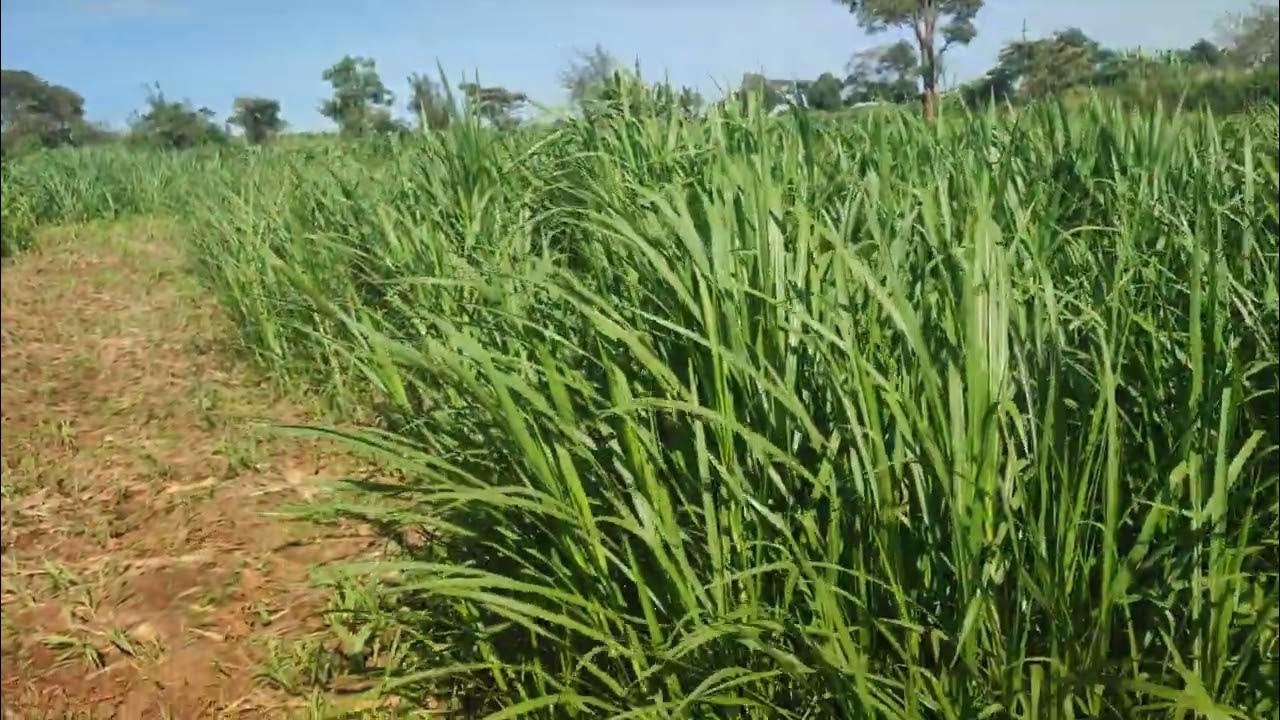
Juncao Napier grass, with its significantly higher crude protein content compared to traditional Napier grass varieties, offers a cost-effective solution for livestock feed. While ordinary Napier grass typically has 8-12% crude protein, Juncao can reach up to 18% or even 18.6%. This high protein level means that livestock, particularly dairy cattle, can meet most of their protein requirements from the grass, reducing the need for expensive supplementary commercial feeds.
Beyond protein, Juncao Napier grass is a nutritional powerhouse, providing essential minerals and vitamins that are vital for the health and well-being of livestock. It is a good source of essential minerals, including calcium, magnesium, phosphorus, potassium, sodium, and zinc, all of which are crucial for maintaining healthy bones and teeth in animals. It also contains a good balance of essential amino acids and a range of vitamins, including A, B1, B2, B3, B6, C, E, K, and folate, which are crucial for proper bodily function and immune system support.
The grass features soft, juicy stems and wider, smoother, greener leaves, making it highly attractive and palatable for livestock. This high palatability ensures animals consume it readily, maximising nutrient intake.
Juncao Napier grass, being a hybrid variety (often a cross between African elephant grass and bamboo or pearl millet), produces a deep and robust root system. This extensive root network allows the plant to access water from deeper soil layers, making it much more tolerant to dry conditions than many other forage crops.
It is well-suited for cultivation in arid and semi-arid regions and can thrive even in low-fertility soils and under rain-fed conditions after the initial establishment phase. The establishment phase involves careful soil preparation, planting, and initial watering to ensure the grass establishes a strong root system. This makes it an ideal choice for farmers facing unpredictable rainfall and prolonged dry seasons.
Juncao Napier grass grows rapidly and can be harvested multiple times a year (typically 3-6 times). Its vigorous root system allows it to regenerate quickly after cutting, providing a consistent source of fodder even during dry periods. This high yield potential, combined with the reduced need for supplementary feeds, can lead to significant cost savings for farmers.
Its drought-resistant traits and wide adaptability contribute to its climate resilience, providing a buffer against the effects of climate change and minimising soil degradation.
As we walked into the land, Prof. Mwangi explained, “Climate-smart agriculture involves growing drought-resistant crops that can mature within very short periods.” He further emphasised the importance of diversifying crop production while utilising available water resources. “We dug the well and store water in water pans,” he said, pointing to a nearby location. “This is a runoff area where the extra water that collects can be utilized for about four to five months,” Prof. Mwangi clarified.
Prof. Mwangi stated that a Runoff water pan is a land water feature settled in a pre-dug depression, commonly known as a water pan. The water is stored for extended periods beyond the rainy season. “The other advantage of having this is that you allow infiltration, meaning not all the water is lost at one time. Enabling storage for future irrigation or domestic use,” Elaborated Prof Mwangi.
A vast portion of Mwangi’s farm was occupied by Juncao Napier grass. “The Juncao Napier grass has a higher protein content compared to the traditional Napier grass. They originated somewhere in Asia, possibly in China or Malaysia. The fascinating character about it is that it thrives well even in drought seasons,” Stated Prof Mwangi. Mwangi’s farm also accommodates the breeding of goats in different breeds, and the Juncao Napier grass is also a source of food for them.
Prof. Mwangi’s farm supplies water to local communities free of charge. In Namanga, a semi-arid region, access to water has always been a significant challenge. Hence, when a well was dug on Prof. Mwangi’s farm, it provided a much-needed solution for the community. Repaia Mutede, a member of the Oloolarroi community in Namanga, expressed her gratitude for the borehole that provides them with water. “Before, we used to walk for nearly four hours to fetch water. Now, Mwangi’s farm is just a twenty-minute walk from my home, which makes life much easier for us,” said Mrs Mutede. She added that both the animals and the community are thankful for access to water.
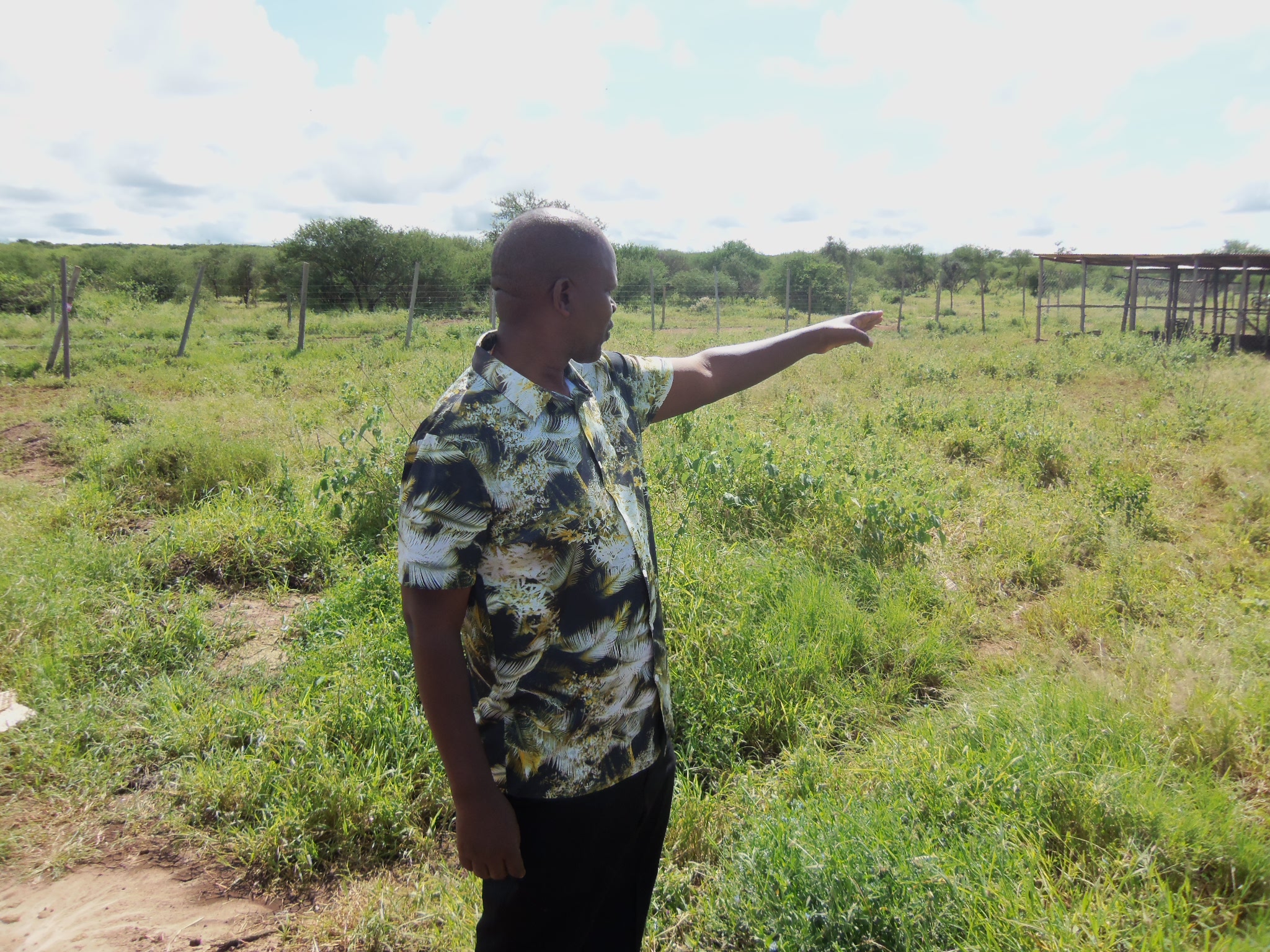
Prof. Mwangi says the bigger picture he is trying to achieve is to show the communities around that cows should not always die during droughts. The communities in Namanga are large livestock keepers who have been largely influenced by the lack of access to water that can enable farming. “Having been able to dig a well, I share water with the surrounding communities for their livestock, their domestic uses, and for irrigation for a few people in the community. Water is a free resource which I am happy to share,” said Prof. Mwangi. He is also exploring fruit planting, focusing on lemons and oranges; lemons are proving to be more resilient.
In Kenya, over 9 million people depend on pastoralism for their livelihood. Most nomadic pastoralist communities struggle with access to water, and the dry seasons claim a lot of their livestock. Climate change exacerbates these challenges, leading to prolonged droughts, reduced water supplies, and intensified competition for resources. “Juncao Napier grass can provide an alternative, nutritious food source for livestock, and it can also be a significant source of profit if produced on a large scale,” stated Prof Mwangi.