|
Getting your Trinity Audio player ready...
|
By Henry Owino
Nairobi, Kenya: In observance of World Environment Day on June 5, 2025, Kenyan Civil Society Organizations actively engaged in combating plastic pollution are emphasizing the critical necessity for the Kenyan government to implement decisive measures to eliminate plastic pollution at all stages of its lifecycle.
The group claimed the escalating plastic pollution crisis is threatening the environment, health and marine ecosystems. With this year’s World Environment Day theme focused on
“Ending Plastic Pollution”, the coalition highlights the escalating plastic pollution crisis threatening our environment, health and marine ecosystems.
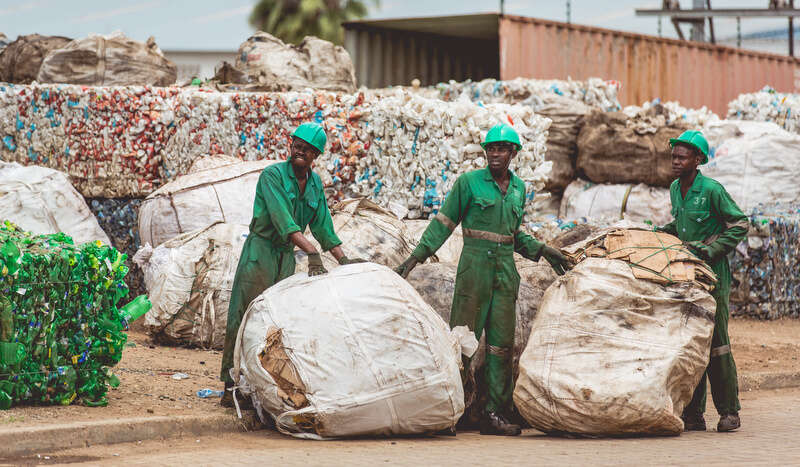
The CSOs coalition brings together researchers, environmental advocates, legal experts, grassroots movements, community leaders, and waste picker networks. The mandate is to push for systemic change across the entire plastics lifecycle, from production to disposal with the shared goal of building a future that is plastic-free, people-led, and policy-backed.
In reality, plastic production and consumption has tremendously increased globally over the past decade reaching unsustainable levels necessitating significant and collective efforts to
address the key drivers of plastic pollution.
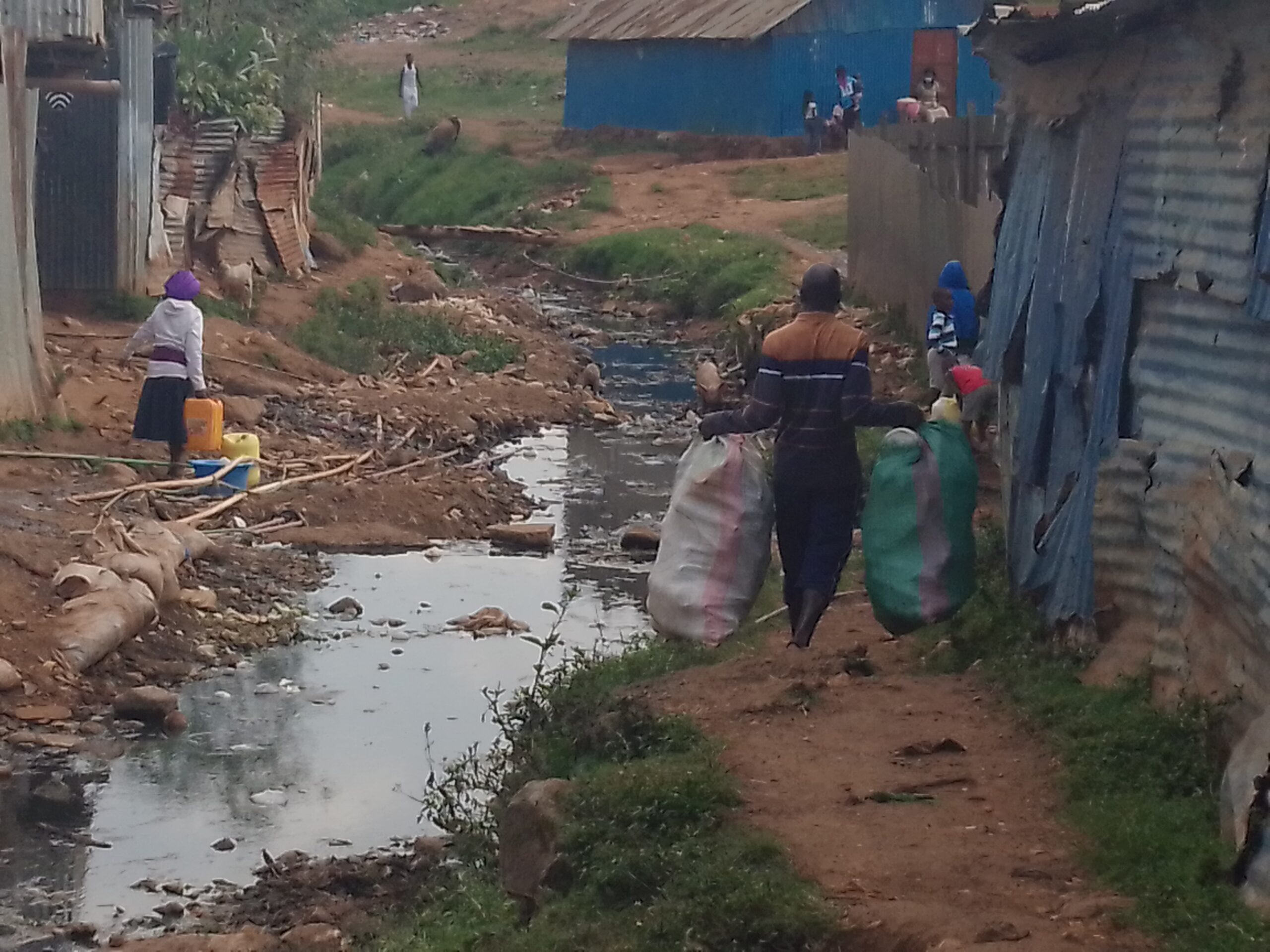
In Kenya, plastics continue to be a burden on our environment despite the ban on plastic bags.
Research further highlights the effects of plastic on human health. A study undertaken by the Centre for Environment Justice and Development, unveiled the presence of toxic chemicals in plastic consumer products such as toys resulting in exposure to ecosystems, humans and particularly vulnerable groups including women, children and marginalized communities who face disproportionate exposure to toxic chemicals in plastics deepening health inequalities.
Policy Enforcement Gaps
The chemicals are linked to multiple diseases such as cancer, respiratory illnesses, diabetes, obesity and reproductive disorders. Authorities must take into account the chemical impacts of plastic pollution and ensure current and future regulation on plastics considering chemical additives to these plastics.
“Kenya as a net importer of plastics, must ensure that regulations to control the import of products containing these harmful substances and prohibit the recycling of plastics containing
hazardous material,” CSOs Coalition unanimously emphasized.
While regulatory frameworks exist, the implementation and enforcement of these policies
has been inconsistent and underfunded.
Industry lobbying and political interests continue to delay and frustrate implementation efforts and perpetuate environments for more plastic production and imports while promoting false solutions focusing on end of pipe solutions instead of addressing the root cause.
“We remain deeply concerned by the continued perpetuation of false solutions like recycling and waste to energy and the undermining of progress by corporations through tactics such as aggressive lobbying, litigation, greenwashing, and political influence,’’ The Group Actors complained.
These actions delay meaningful change, protect profit over people, and keep plastic production unchecked.
Recycling alone will not solve this crisis; it’s time for real accountability, reduced plastic production, and justice for the workers who have carried the burden of corporate pollution for far too long.
Compromising Strategies
Kenya’s government must resist the corporate capture by corporations and manufacturers that make massive profits out of plastics at the expense of the wellbeing of people and the planet.
Producers must be held accountable for pollution by plastic products introduced into the market through Extended Producer Responsibility (EPR)Systems. These systems must be inclusive and waste pickers must be at the center of these systems recognizing and compensating their efforts and contribution to the recycling sector in Kenya.

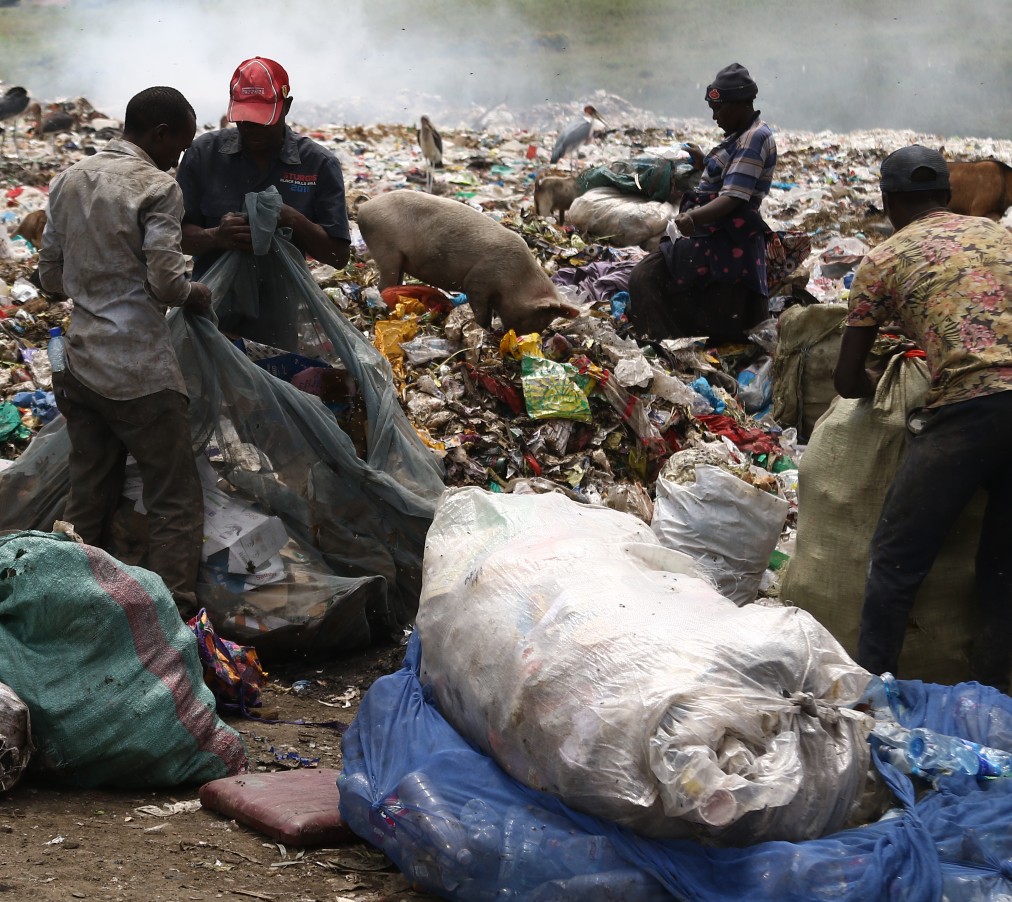
Waste pickers remain underpaid, unsafe, excluded and underappreciated despite their critical role in the plastic lifecycle. Women waste pickers in particular are especially vulnerable.
In Kenya alone, women represent a substantial number of between 40% – 50% of waste pickers in urban areas. Beyond waste management, plastics are a climate justice issue.
Plastic production continues to wreak havoc as 99% of plastics begin as fossil fuel. Greenhouse gases are emitted at each stage of the plastic life cycle further driving the climate crisis.
As Kenya positions itself as a leader in the global fight against plastic pollution and advocates
for a reduction in plastic production, it is critical that its actions align with its commitments.
Plastic pollution must be understood in the context of the entire plastics lifecycle, from
production to disposal. The Kenyan Government must carefully consider the broader
environmental and social implications of projects ensuring they do not contribute and feed
plastic and petrochemical industries undermining global efforts to cap plastic production.
Policy Implementation Hindrance
The planned licensing of offshore oil and gas blocks, especially in ecologically sensitive areas like Lamu, risks not only habitat destruction and oil spills but also increased marine plastic pollution. By potentially providing feedstock for petrochemical industries, these projects impede global action to address plastic pollution from the source to plastic production.
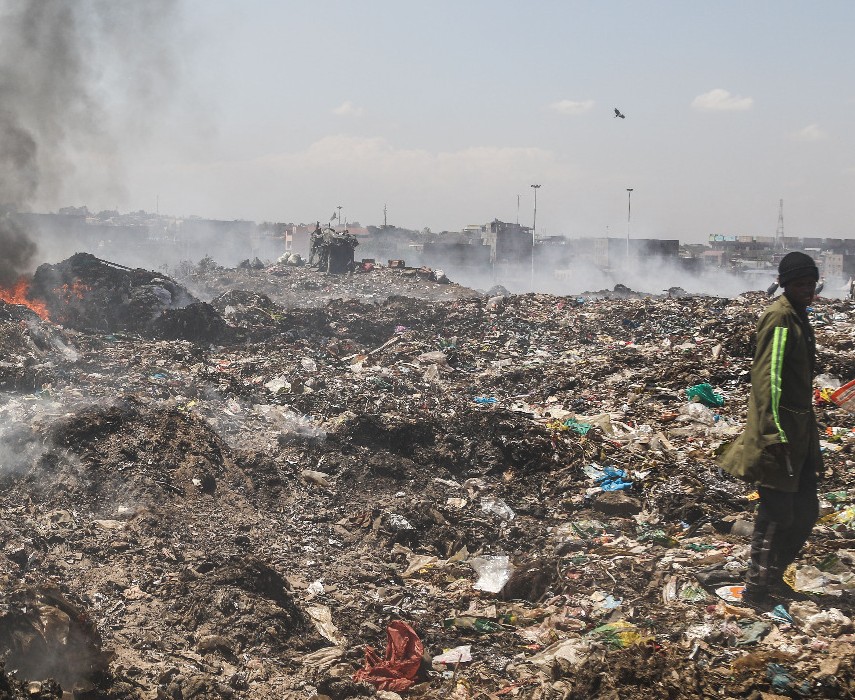
Additionally, offshore activities generate plastic waste from packaging materials to discarded equipment that can choke coral reefs, mangroves, and seagrass beds. These ecosystems are critical for climate resilience and local livelihoods.
Moving forward with such extractive projects undermines efforts to restore marine health and end plastic pollution, and Kenya must prioritize environmental integrity over short-term gains.
Plastic pollution is a global crisis and global action is needed to end this crisis through a legally binding agreement that will deal with the plastic pollution from production to disposal.
After 5 rounds of the treaty negotiations, little progress has been made towards tackling this global crisis.
“We urge Kenya’s government to take lead, show more ambition and urge other member states to make real progress on ending plastic pollution by delivering a treaty that will prioritise cuts in plastic production to protect human health, human rights and the environment and safeguard communities from the devastating impacts of the plastics,” CSOs Coalition suggested.