|
Getting your Trinity Audio player ready...
|
By Juliet Akoth
Nairobi, Kenya: Air pollution has become an invisible killer as it is an often-overlooked threat that directly affects the health and well-being of people. In 2023, the World Health Organization estimated that approximately 19,000 people die each year in Kenya due to air pollution, with the United Nations Environment Programme citing Nairobi as accounting for 70% of the pollution.
Even more concerning, the Nairobi County Government reports that 10% of its annual budget is currently allocated on treating illnesses related to air pollution. But the city is now taking bold steps to turn the tide and reclaim its air.
In a significant move to address this public health crisis, the Nairobi County Government recently flagged off 50 low-cost air quality monitoring sensors at City Hall Way. These sensors, which will be deployed across 17 constituencies under the Breathe Nairobi Program, will join 39 others already installed in select areas.
Speaking during the event, the County Executive Committee Member (CECM) for Green Nairobi, Ms. Maureen Njeri, highlighted that previous gaps in data had hindered meaningful progress.
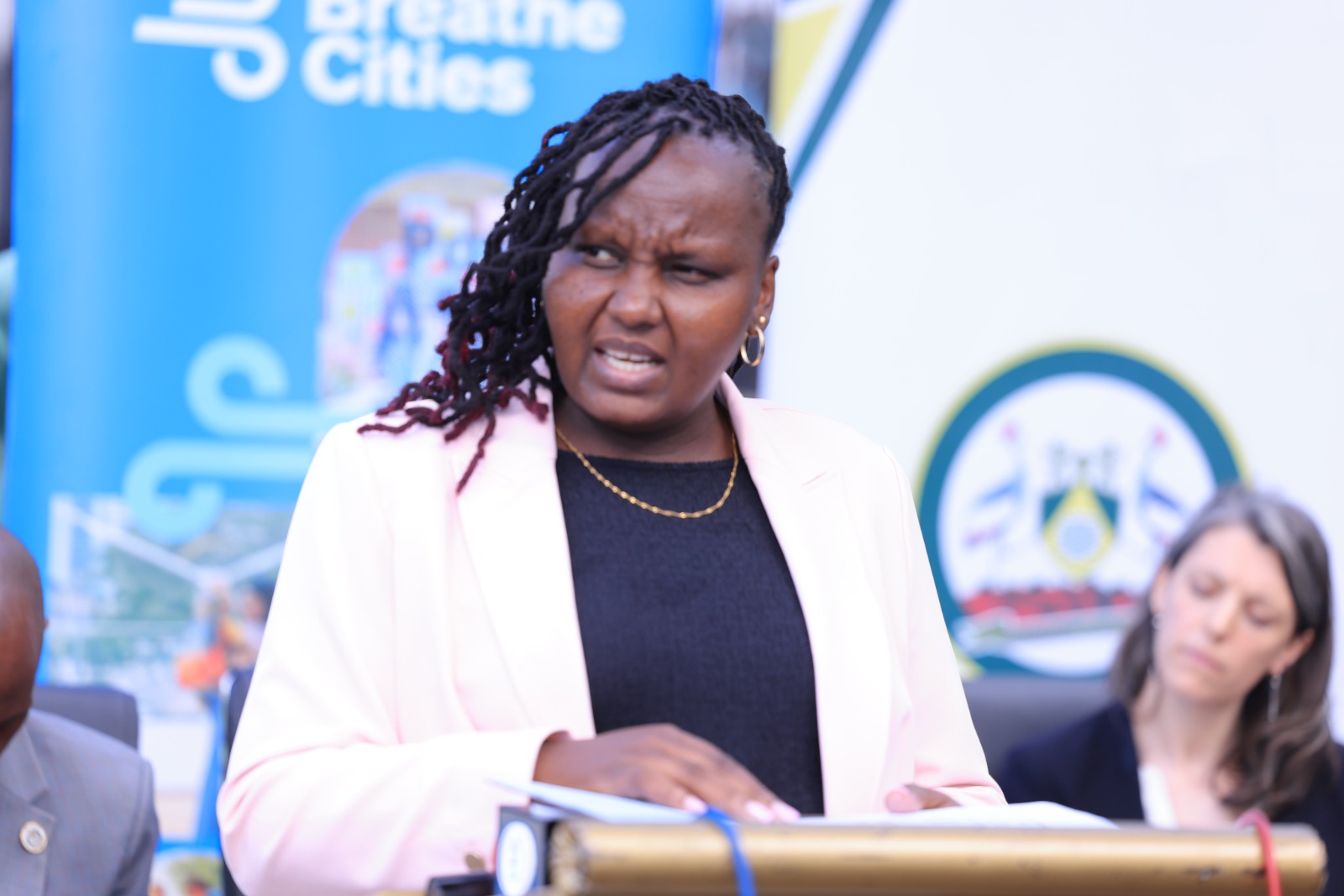
“For too long, we have operated with significant data gaps, hindrances that have regrettably limited our ability to act decisively and strategically against this pervasive threat. Today, with the deployment of these sensors, that fundamental challenge changes,” she said.
She emphasized that the sensors are more than just devices, they are crucial tools in the fight against pollution. “This data will be our compass, enabling us to precisely expose pollution hotspots, to inform and craft life-saving policies based on concrete evidence, and crucially, to empower our communities with the information they need to advocate for their own health and well-being. No longer will we be operating in the dark; we will be guided by light of verifiable data.”
The 50 new sensors will operate as part of an integrated, intelligent system that combines cutting-edge technology, trained county personnel, and active community participation. Using machine learning for calibration, the system will ensure high accuracy and reliability.
Nairobi City County officers, trained in environmental data management, will analyze the data and translate it into meaningful action. A public portal will also be made available, offering communities real-time access to air quality information and tools to demand accountability and cleaner air.
On his end, Nairobi County’s Chief Officer for Environment Geoffrey Mosiria reinforced the urgency of the situation and the County’s dedication to climate action. “Air pollution is a cross-cutting challenge impacting on the environment, public health and the economy. As a rapidly developing city, Nairobi faces significant air pollution challenges that directly impact the health of our citizens, especially our most vulnerable communities.”

He underscored the importance of a multi-faceted approach. “With the deployment of these sensors, strengthening of our policies and commitment of all of us, we will be in a better position to identify pollution hotspots, enforce regulations, develop sector-based interventions that will bring a difference to the people of Nairobi,” said Mosiria.
Of importance to note is that these strides have been made possible through strong partnerships. Present at the flag-off was Seneca Vieira, a technical head at Breathe Cities Africa, who explained that the initiative provides more than just sensors and data. “It will also support communication, advocacy and community engagement campaigns to involve local communities in their work to improve air quality,” noted Vieira.
She added that successful lessons from Nairobi will help shape similar programs in other cities across Africa. Nairobi became part of the Breathe Cities Initiative in September last year, a groundbreaking venture jointly spearheaded by Clean Air Fund, C40 Cities, and Bloomberg Philanthropies, dedicated to improving air quality, reducing carbon emissions, and fostering public health in urban areas across the globe.
Lucile Brethes, head of project delivery at Breathe Cities, commended Nairobi’s leadership in clean air initiatives. “With this expanded network of city-owned air quality monitors, Nairobi is not just collecting data but also building the foundation for accountability, transparency and more equitable action.”
In his final remarks, Chief Officer Mosiria made a call for collective responsibility: “Let us work together to reduce air pollution and drive Nairobi to a cleaner air and a healthier City. Each of us has a very important role to play to ensure that Nairobi becomes an example as a city with clean air,” he concluded.