

|
Getting your Trinity Audio player ready...
|
Dar es Salaam, Tanzania: As the Africa Internet Governance Forum (AfIGF) commemorates 20 years of dialogue and impact since the Tunisia World Summit on the Information Society (WSIS) 2005, the conversations this year were grounded in reflection and action. With more than 62% of the African population still offline, the call to build inclusive, resilient, and sovereign digital systems persists.
In his opening keynote at the AIGF, Dr. Mactar Seck, Chief of Section for Emerging Frontiers Technologies, Innovation, and Digital Transformation at UNECA, set the tone
“Africa is the least connected continent in the world… Yet, we lead in mobile money transactions, accounting for 74% of global activity. This proves we have the potential and now we must channel it into digital resilience and innovation.”
Dr. Mactar underscored the paradox that defines Africa’s digital journey. Despite being at the forefront of financial tech innovation, particularly mobile money, the continent still grapples with foundational issues such as low connectivity, underrepresentation of local languages online, and limited youth-focused digital capacity-building and support.
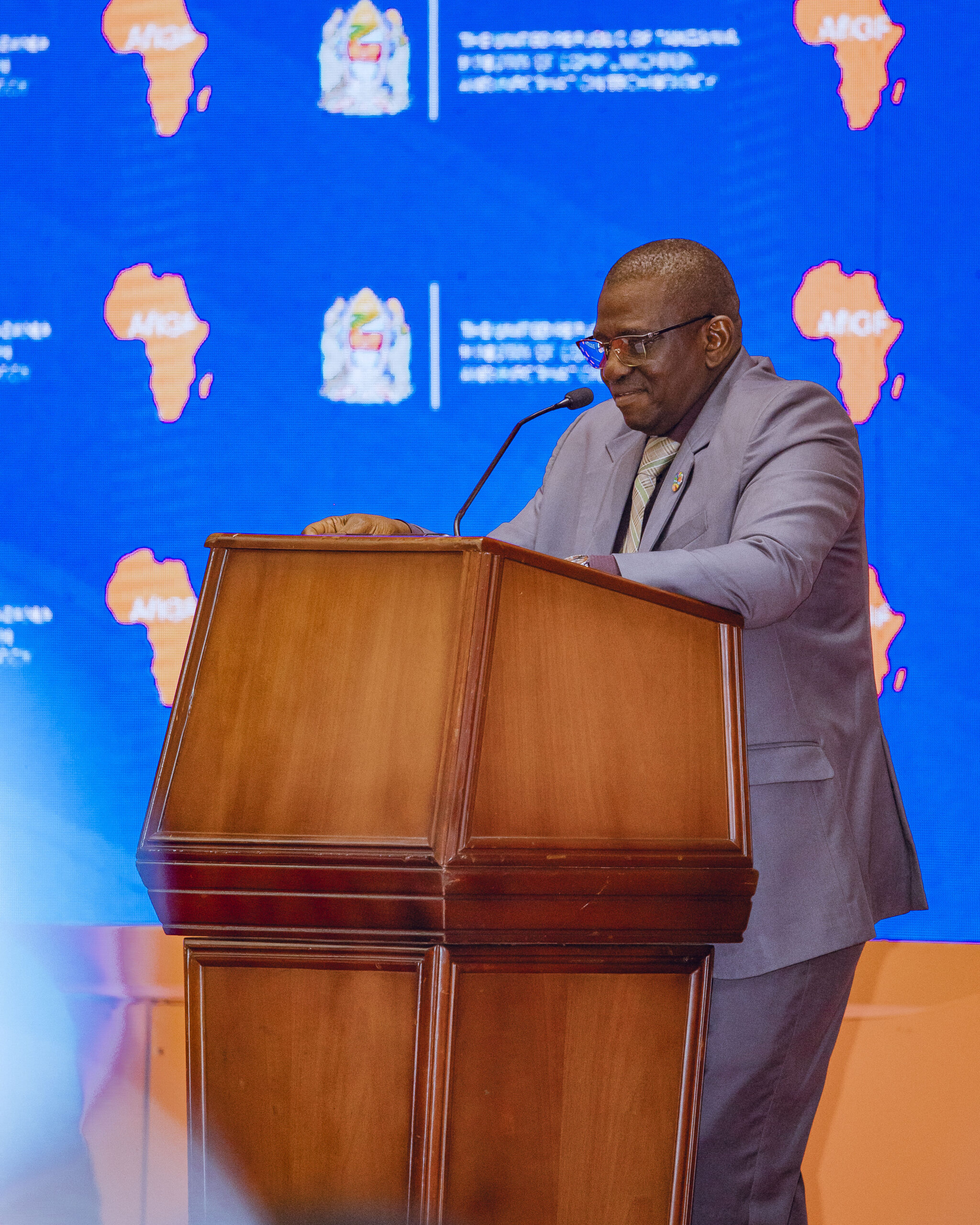
Dr. Mactar emphasized that it is essential to develop a robust Digital Public Infrastructures (DPIs), remove trade barriers within the African Continental Free Trade Area (AfCFTA). Continue engaging multi stakeholders in shaping Internet governance policies. There’s need to enhance cybersecurity management, promote private sector growth through reduced regulations and ensure inclusive internet governance with multi-stakeholder involvement.
Empowering Africa’s youth, 42% of the global youth population, with digital skills and support is crucial to unlock the continent’s digital potential. Investing in digital literacy, training, and entrepreneurship for youth will equip them to participate in the digital economy and drive innovation.
These priorities echoed in the remarks of Mr. Mohammed Hamis Abdula, Permanent Secretary at Tanzania’s Ministry of Communication and Information Technology. Framing the current era as a gateway between the 4th and 5th Industrial Revolutions, he reminded delegates that the speed of technological advancement through AI, robotics, IoT, drones, and big data, demands proactive governance.
“We cannot ignore technologies considering their potential to transform all aspects of life. But transformation needs accommodative and impactful laws, policies,” he said.
Adding “Tanzania, under President Samia Suluhu Hassan’s leadership, has made strategic moves towards a digital-first economy. The National Digital Economy Strategy and supporting legislative instruments, including the National ICT Policy, the Cybercrimes Act, the Data Protection Act, and the E-Government Act, illustrate how governments can create enabling environments that safeguard innovation while promoting safe and inclusive tech ecosystems” said Abdula.
Still, Mr. Abdula acknowledged that gender and digital disparities remain pressing concerns, calling on all stakeholders to collaborate in bridging the gaps that keep communities offline or underserved.
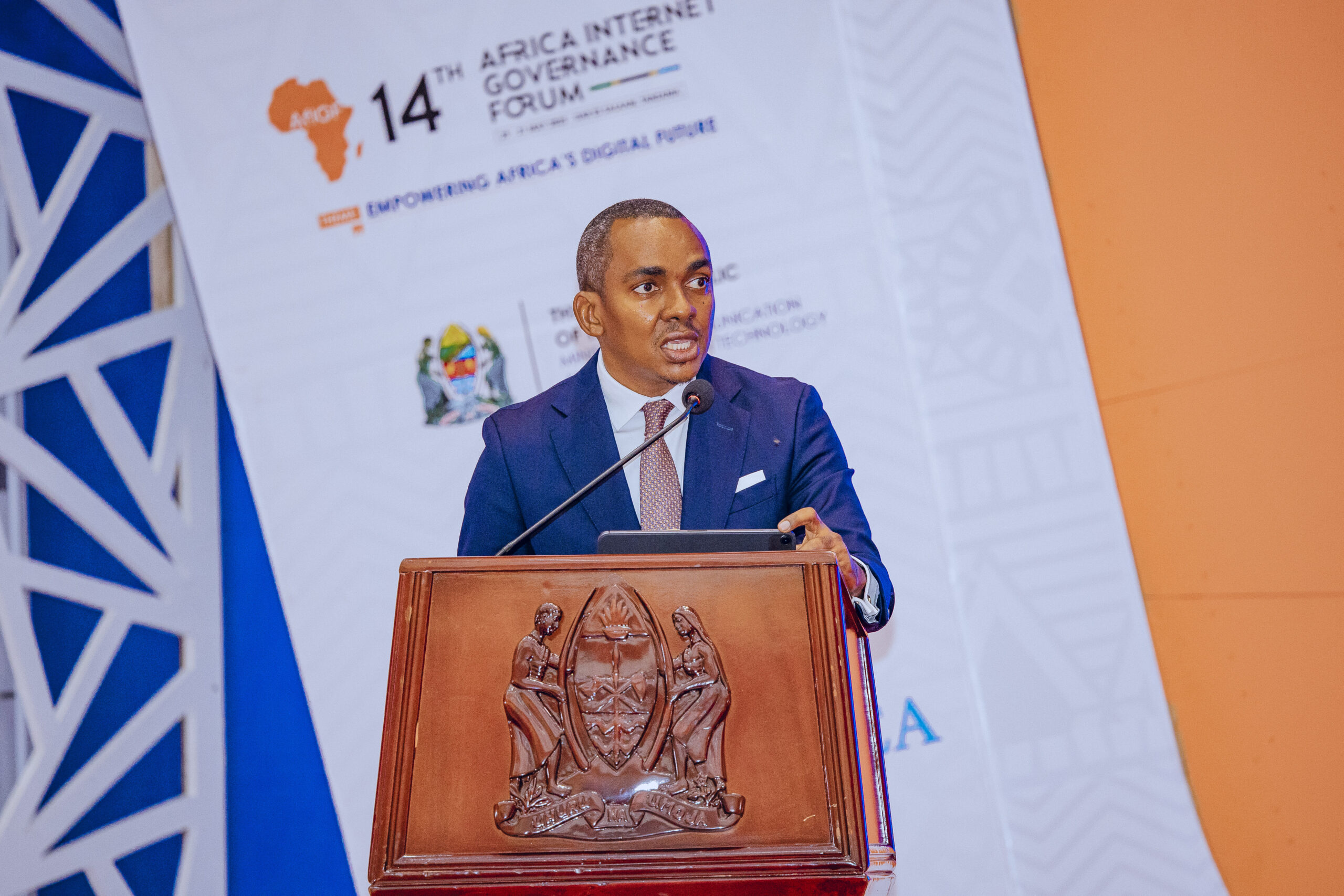
Hon. Jerry William Silaha, Tanzania’s Minister for Communication and ICT, reinforced the fellow speakers sentiments and also celebrated the IGF’s 20-year milestone with a focus on future readiness.
“We must reflect on our achievements and challenges and align our strategies with the Global Digital Compact” he said.
Minister Silaha emphasized the importance of regional digital integration, citing Tanzania’s commitment to expanding mobile broadband infrastructure, now reaching up to 5G speeds for wide segments of the population. These investments are not only transforming connectivity in urban centers but are also empowering economies across neighboring countries.

The AfIGF 2025 as it celebrates its 20th year of existence is a mirror reflecting both progress and the work that lies ahead. Across all sessions delegates were encouraged to shape Africa’s digital destiny with its people, languages, values, and innovation at the center.This means:
Africa’s Internet Governance future has key ingredients which include empowering youth leadership, implementing widespread digital literacy programs tailored for all communities, integrating inclusion in all digital policies including cybersecurity and data governance, and recognizing internet access as a fundamental human right crucial for information, education, and economic participation. Making Internet access is not just a priority, but a right.