|
Getting your Trinity Audio player ready...
|
By Lenah Bosibori
Nairobi, Kenya – The Ministry of Health is calling for a nationwide shift towards more active lifestyles as a key strategy to combat the rising threat of non-communicable diseases (NCDs) such as diabetes and high blood pressure.
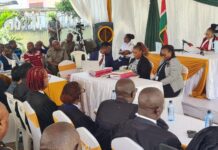
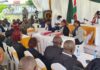
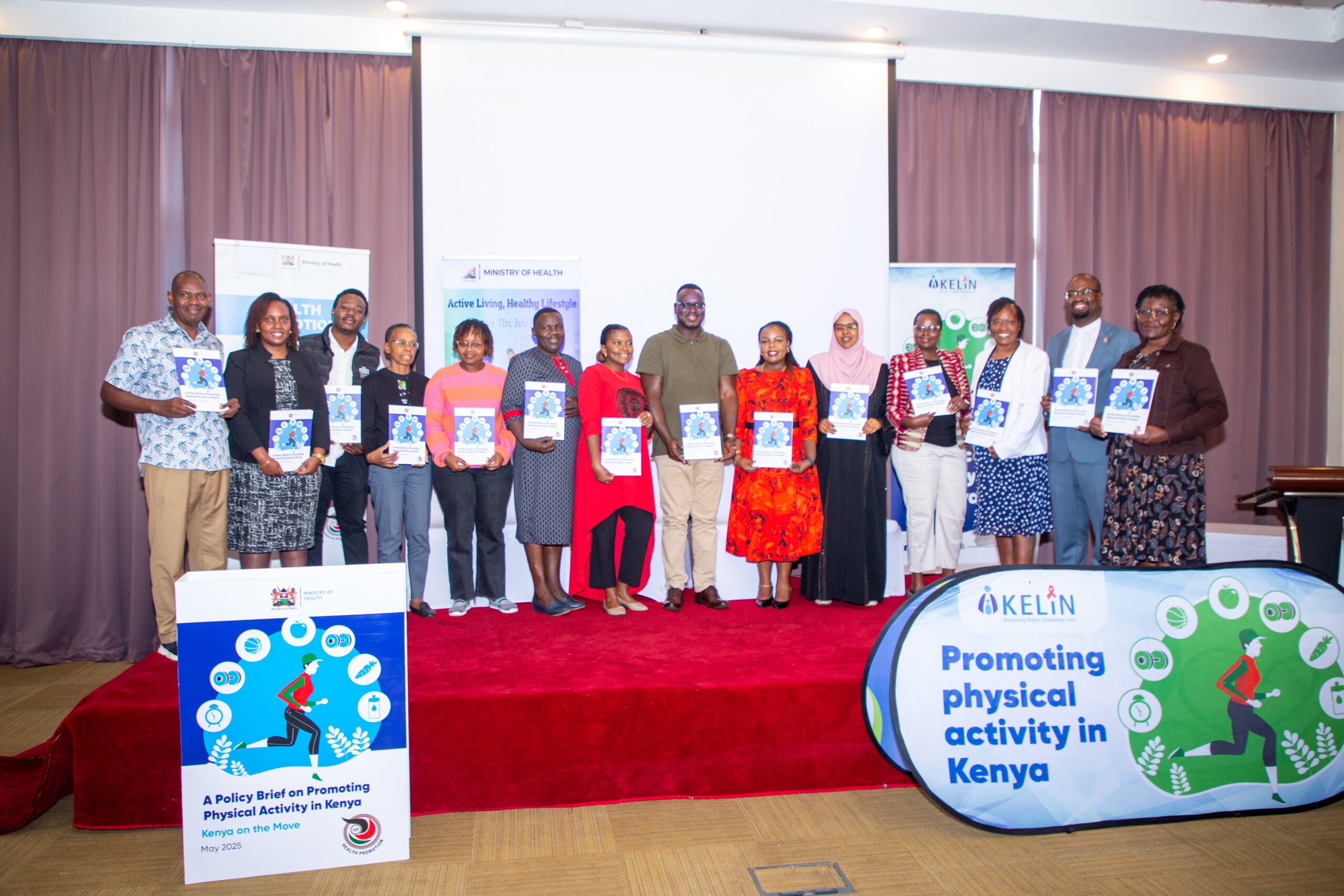
Speaking during the launch of a policy brief on Promoting Physical Activity in Kenya dubbed ‘Kenya on the Move, ’ Gladys Mugambi, Head of Health Promotion and Education Management at the Ministry of Health (MOH), emphasized the urgent need to guide Kenyans on the importance of physical activity.
“We are here to give direction to Kenyans to help them adopt physical activities so that their bodies can be healthy said Mugambi. “It is well known that people who do not exercise are at a higher risk of developing non-communicable diseases (NCDs) such as diabetes and high blood pressure.”
She further noted that exercises are not just about preventing NCDS but also having a brain that functions well, and regular exercise helps with that, too.
Mugambi noted that the initiative requires support from various ministries, including the Ministry of Roads, to ensure safe and accessible infrastructure for walking. “Our roads must have enough space for people to walk.”
“The way motorcycles (boda-bodas) are being driven in Kenya makes many people fear walking, whether in rural or urban areas. We also want estate roads free of potholes so that people don’t injure themselves,” she noted. “These spaces should also be friendly to people with disabilities.”
She added, “We’ve seen many accidents where drivers intrude into walkways. The reason we are partnering with Kenya Legal and ethical Issues Network on HIV & AIDS (KELIN) to review policies and the legal frameworks, so that every sector is involved.”
According to Ministry of Health data, non-communicable diseases contribute to 41% of all annual deaths and account for 50% of hospital admissions in Kenya. Physical inactivity is a key risk factor and a growing concern.
The new policy brief outlines strategic interventions to promote physical activity across all age groups. It is built on extensive research, inclusive stakeholder engagement, and robust analysis. The brief recommends a whole-of-society approach under four main pillars: Active Society, Active Environment, Active People, and Active Systems.
“We are here to look at the policy brief, understand the recommendations, and begin working with all stakeholders,” Mugambi said. “We need more campaigns to promote physical activity as part of daily life. We should even set aside one day a week for everyone to exercise and clean up their surroundings. This way, people are constantly reminded that exercise is good for their health.”
Universities Already Leading by Example
Dr. Issa Kweyu from the Department of Health Promotion and Sports Science at Masinde Muliro University of Science and Technology (MMUST) shared their ongoing efforts. “At the university, we offer many programs that promote physical activity.
“We have about 1600 students studying physical education, and 600 in sports science; these ones are studying it as a university course in the university,” he explained. “In addition, every student studying a Bachelor of Arts in education is required to take a physical activity course in their first-year program. Currently, this is only offered at Kenyatta University and MMUST.”
He added, “Every Thursday, we hold mass activities where we bring music to the field and everyone is allowed to dance, for those who don’t take part in sports. We also offer full scholarships for students who are talented in the arts and sports. Sports is one of the most robust programs in East Africa, encouraging more students to engage in physical activity.”
Kweyu pointed out a critical gap in the healthcare system. “When doctors prescribe exercise, they forget that also exercises have a dose; they don’t usually explain the limits. It is like giving a dose without proper instructions, because many doctors haven’t trained in physical activity.”
Long-Distance Drivers at Risk
Elijah Nyaga, Chairperson of the Long-Distance Drivers and Conductors Association of Kenya, said the nature of their work prevents many drivers from exercising. “Most of our drivers above the age of 40 suffer from NCDs. We have been part of this guideline development to include physical activity in our daily routines.”
He continued, “We are hoping the government can create rest stops and fields where drivers can stretch and exercise. Personally, I have been a long-distance driver for 16 years, and my biggest challenges have been swollen legs and fatigue.”
Nyaga said many drivers are unaware of their rights under labour laws, which recommend rest after every 8 hours of work. “Companies don’t always follow these laws, and there hasn’t been enough sensitization. Many drivers don’t know these laws even exist.”
Health campaigns have revealed that many drivers suffer from diabetes, high blood pressure, obesity, eyesight issues, and mental fatigue, largely due to their work environment. “At 50, many drivers find out they have serious health problems. The guidelines will help us educate our drivers on the importance of regular exercise and proper rest.”
KELIN Calls for Policy-Driven Change
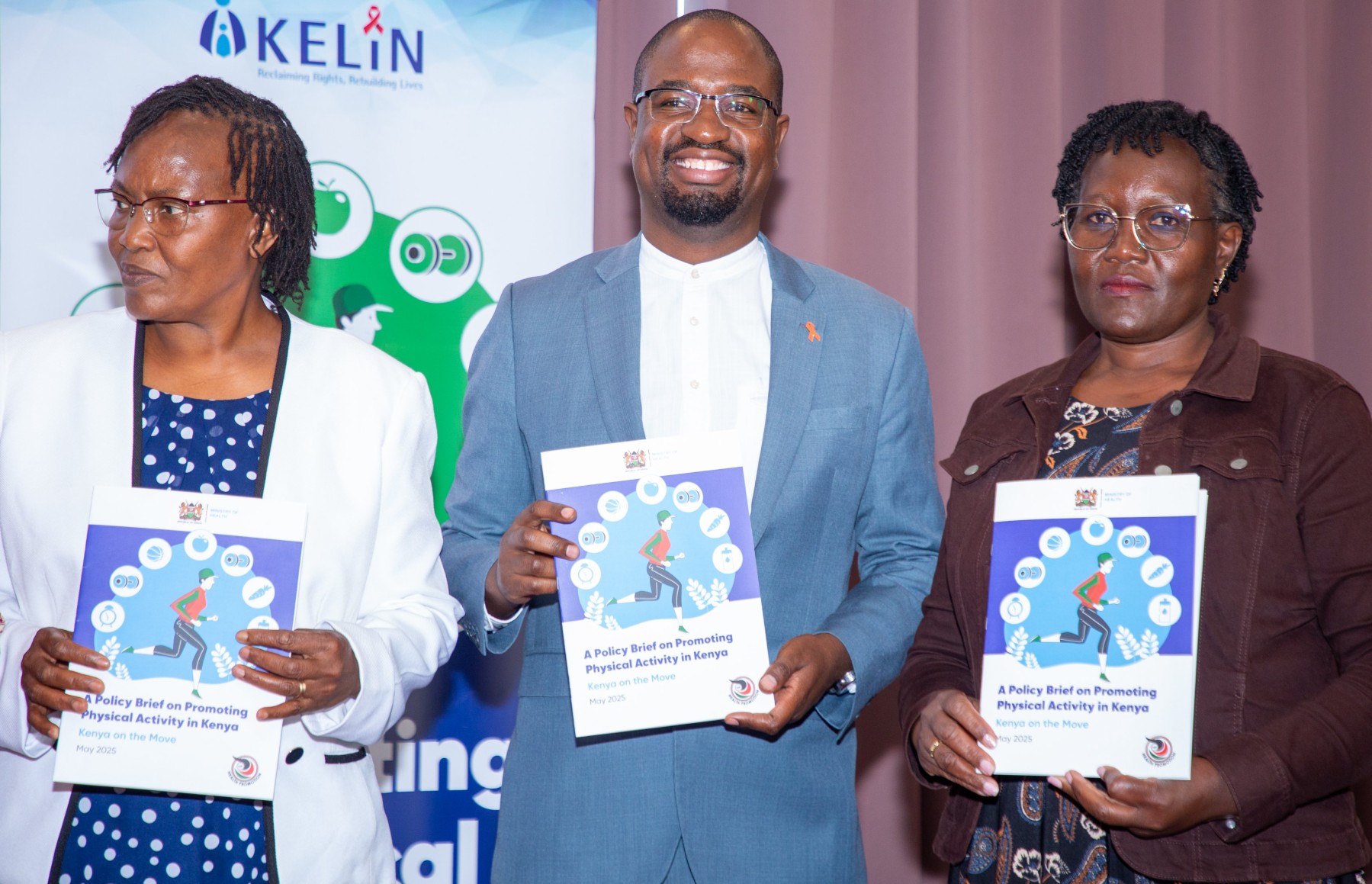
Allan Maleche, CEO of KELIN, stressed the need for stronger policies to support physical activity. “We work closely with the Ministry of Health to make policies that promote exercise. We started this policy brief because we saw many people suffering from NCDs due to inactivity.”
“Exercise helps the body fight diseases, reduce weight, and prevent conditions like heart attacks and obesity. We are collaborating with counties, cancer survivors, and researchers to create programs that motivate people to stay active,” he explained.
Maleche emphasized the importance of workplace wellness. “We are encouraging Human Resources departments to implement programs like standing during meetings, stretching breaks, and promoting activity-friendly office spaces.”
Urban planning is another focus. “We have seen many apartments being built without considering physical activity. We are working with the ministries of roads and education to ensure the construction of footpaths and bike lanes, like those on Ngong Road. We also want physical activity introduced as a course in every school.”
He concluded, “During COVID, people exercised more at home. We want to bring back that culture even at the household level. We already have events like the Mater Heart Run, but we are advocating for a national physical activity day, led by the President, to remind all Kenyans to stay active and healthy.”