|
Getting your Trinity Audio player ready...
|
By Portus Chege
The scathing words of Justin Bedan Njoka Muturi, Kenya’s former Minister for Public Service, in a recent interview, were directed at President William Ruto. “He doesn’t see any money he wouldn’t want to lay his hands on,” Muturi added, his bitterness palpable after being sacked from Ruto’s cabinet.
His dismissal followed his outspoken criticism of the government’s alleged role in enforced disappearances, abductions, and killings of innocent Kenyans. Coming from a once-loyal ally—Ruto’s own former Attorney General—Muturi’s indictment was damning.
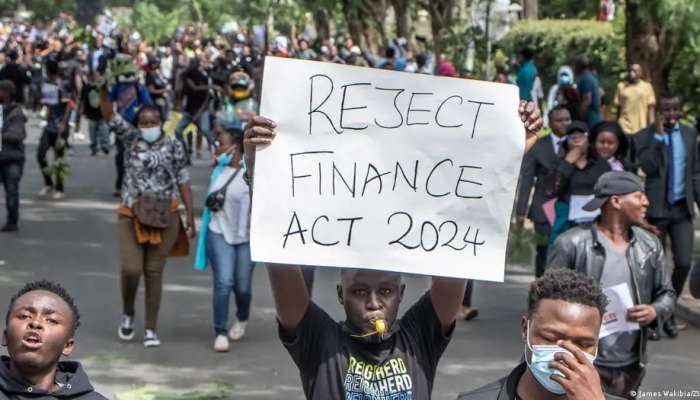
His anger was personal. At the height of the July 2024 Gen-Z protests, his son was abducted—a chilling echo of the state’s heavy-handed response to youth-led demonstrations against the punitive Finance Act 2024. The protests, unprecedented since Kenya’s independence in 1963, saw thousands of enraged young Kenyans storm Parliament, shaking Ruto’s government to its core.
Faced with unrelenting pressure, Ruto withdrew the controversial tax bill and dissolved his cabinet, only to recycle old faces in a tone-deaf game of political musical chairs. But the backlash had only begun.
What followed was a wave of state-sponsored terror: abductions, disappearances, and killings of suspected protesters. Some were later found dead in remote locations; others remain missing. Survivors recounted harrowing ordeals at the hands of masked assailants.
When Muturi demanded his son’s release—invoking habeas corpus—National Intelligence Service (NIS) Director Noordin Haji feigned ignorance. Only after Muturi confronted Ruto directly was his son freed—an admission, in effect, that the state had orchestrated the abduction.
The message was clear: Kenya’s government had turned on its own citizens, violating constitutional rights (Article 37) to peaceful protest with impunity.
The U.S., through then-Ambassador Meg Whitman, condemned the crackdown, demanding accountability for corruption and human rights abuses. Yet the government remained defiant, offering hollow promises of investigations while maintaining a studious silence.
Amid the turmoil, former Prime Minister Raila Odinga seized the moment, striking a controversial deal with Ruto that saw his allies absorbed into government. The move, widely seen as opportunistic, drew fierce backlash, even from opposition figures like Kalonzo Musyoka, who accused Raila of “climbing into bed with the devil.”
Meanwhile, another figure looms on the horizon: former Interior Minister Fred Matiang’i, whose no-nonsense leadership has earned him admiration from Gen-Z and beyond. Under his watch, exam cheating plummeted and rampant insecurity—including cattle rustling—was tamed. Now, with murmurs of a 2027 presidential bid, Matiang’i represents a glimmer of hope for Kenyans weary of state impunity.
But as the nation grapples with disappearing dissenters and brazen corruption, one question lingers: How much longer will Kenya endure this betrayal of its people?
Portus Chege is an independent journalist.