By Mercy Kachenge
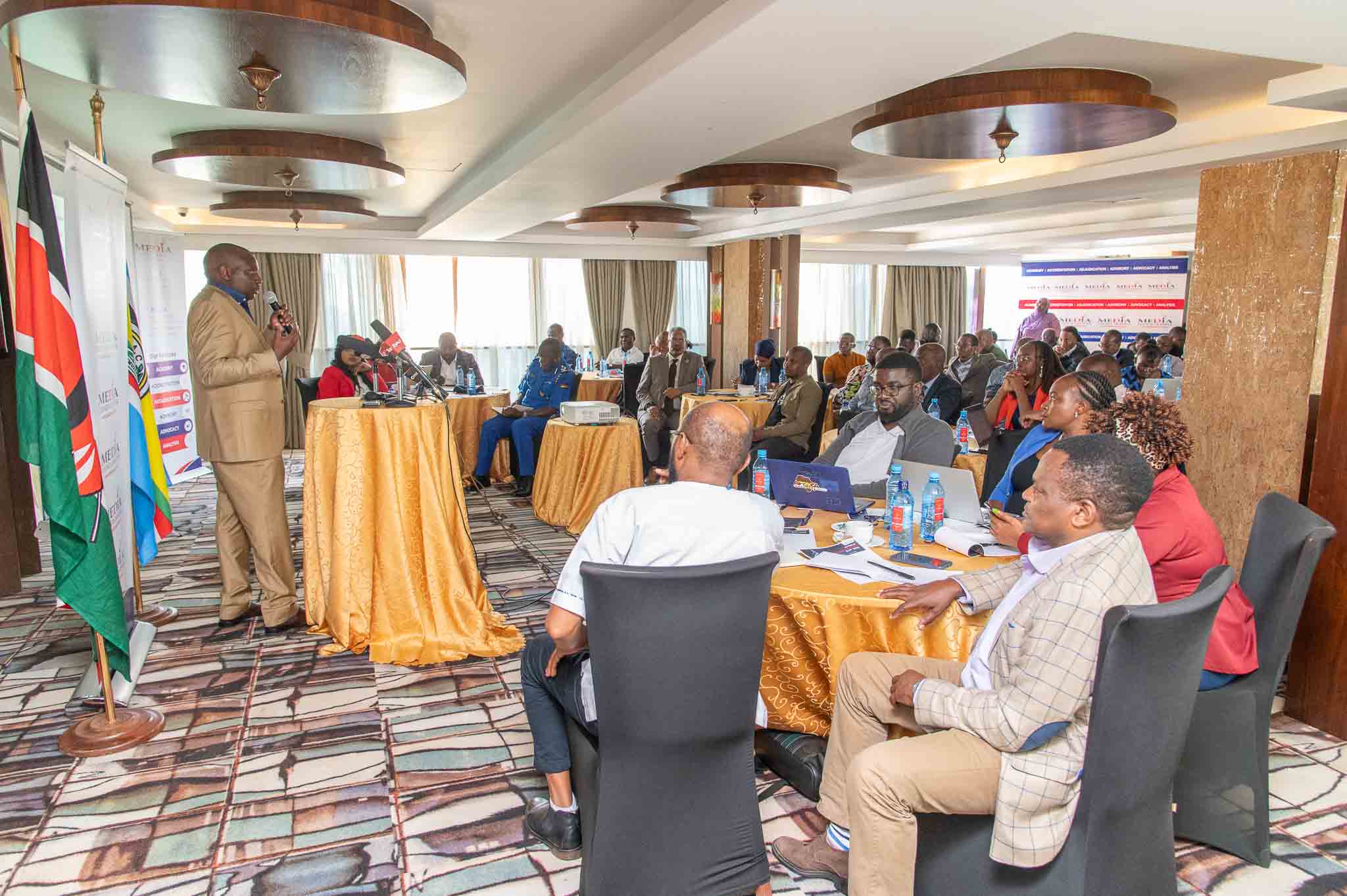
Nairobi, Kenya: Kenya observed World Press Freedom Day for media professionals, a UN-declared event since December 1993, emphasizing press freedom and governments’ duty to uphold freedom of expression.
The Media Council of Kenya (MCK) commemorated the event with this year’s theme being, Reporting in a Brave World; the Impact of Artificial Intelligence (AI) on press freedom and the media.
Zubeidah Kananu, Kenya Editors’ Guild President (KEG), speaking during the commemoration, said that Artificial Intelligence can strengthen investigative journalism, accelerate fact-checking, and improve access to information.
 She noted that some newsrooms in Kenya are already experimenting with AI to summarise reports, analyse data, and personalise news content, stating that innovations are necessary and exciting especially for media houses facing shrinking revenues, rising costs, and demanding audiences.
According to Zubeidah Kananu, AI is not neutral as it has been created and deployed by human beings who carry with them biases, blind spots, and ambitions and when it falls into the wrong hands or operates without proper regulation, it can quickly become a powerful and dangerous weapon.
“In the past year, we have witnessed Kenyan journalists working under extraordinary threats, especially during the Gen Z-led protests last year, in which more than 20 journalists were assaulted while several others were detained, many had their equipment destroyed, tragically, and others were abducted”, he said.
Additionally, female journalists in particular continue to bear the brunt of online gender-based violence since the support systems to protect them remain inadequate, and avenues for justice are often nonexistent. AI has the potential to make all of this worse.
It can be used to spread disinformation, conduct surveillance, automate smear campaigns, and amplify threats. In this emerging digital age, we are stepping into a reality where the truth itself can be manufactured—or completely erased”.
“In recent days, there has been a growing call to regulate digital spaces. These calls are often motivated by legitimate concerns which entail misinformation, hate speech, and harmful content, which are real threats”.
However, she urged the need to approach these issues with caution. Kenya already has laws in place, such as the Computer Misuse and Cybercrimes Act.” If these laws are applied fairly and effectively, they offer a solid framework to tackle many of these challenges without infringing on our constitutional freedoms”,she said.
‘’What we need is not more restrictions, but better enforcement, greater transparency, and improved digital literacy. We need stronger content moderation policies that are developed collaboratively with all stakeholders, including the media, civil society, and technology platforms. It is also essential to equip both journalists and the public with the tools to distinguish credible information from manipulative content, particularly in this era of AI-generated disinformation, she added.
Zubeidah Kananu raised concerns about AI, whether it brings us to these critical questions, which we must begin to ask: Who is training these algorithms, and what data are they being trained on? Are these systems amplifying or silencing African voices? Will the rise of AI deepen the information divide between urban and rural communities? And are we truly prepared for a future where machines generate the stories, but it is humans who face the consequences? At the same time, we cannot have a meaningful conversation about press freedom without also addressing the issue of media sustainability.
Moreover, Zubeidah noted that while AI may solve some of these problems, it cannot fix a media ecosystem that is underfunded, unprotected, and understated. She urged that it is therefore urgent that the government commits to opposing media independence, pays pending advertising bills, and includes journalism in digital policy-making processes, including AI regulations.
Winnie Kamau, the President of Association of Freelance Journalists underscored the need for Journalists in the current AI technology to retool themselves “There’s an urgent need for Journalists to retool themselves and learn these AI tools and go above the normal journalistic work” she said.
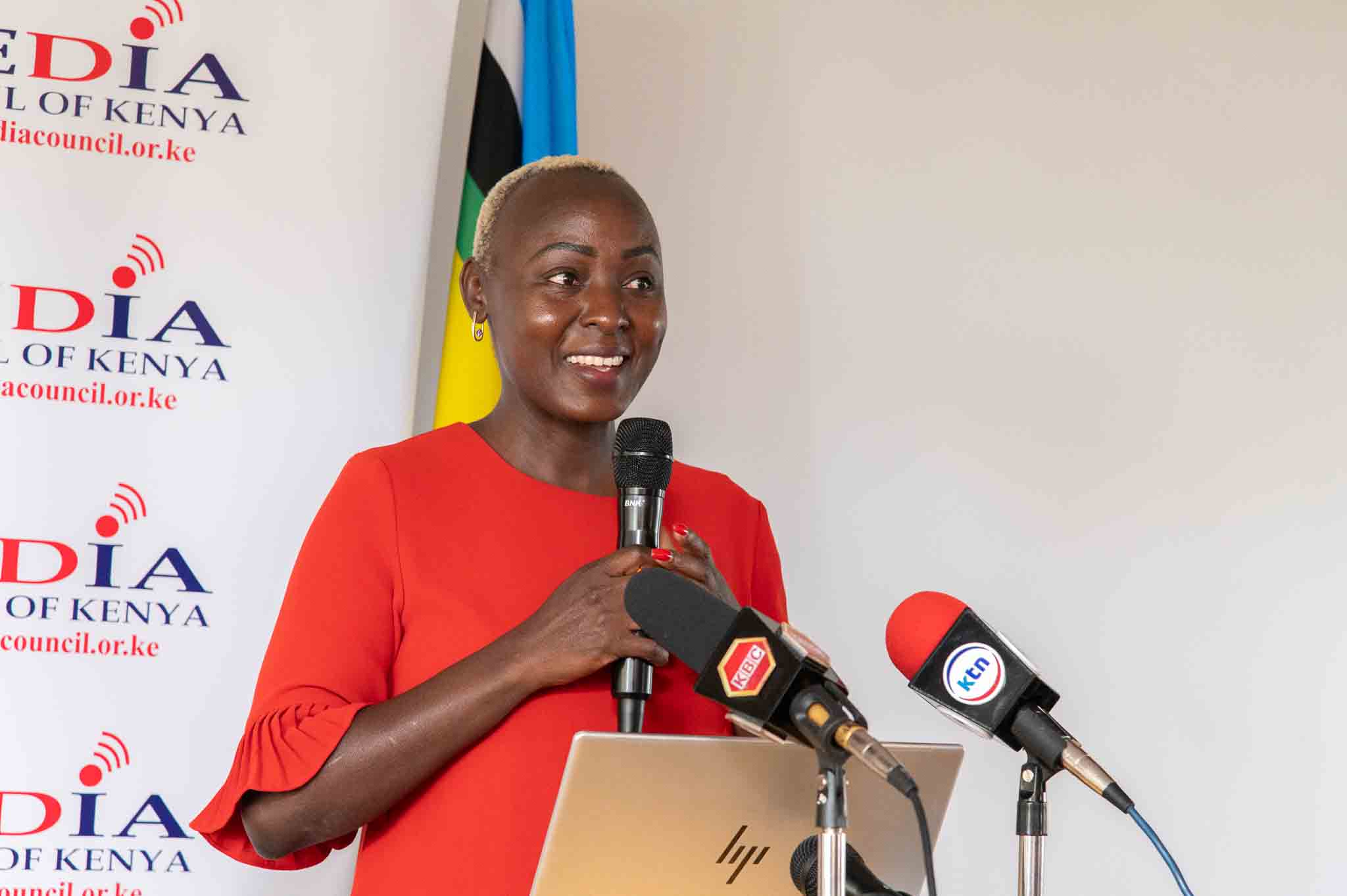
Queenter Mbori ,Executive Director ,Association of Media Women in Kenya AMWIK, said that the initial aim of their efforts was to elevate journalism standards, particularly within the digital realm. A research of Gender Based Violence by AMWIK in 2024 indicated various challenges especially with the rise of online safety issues and the need to guard journalists in this space.
She noted that across Africa, journalists are facing significant struggles, which calls for the need to continue advocating for clear emergency protocols to ensure their safety. Research shows that over 60% of journalists have experienced sexual harassment, most of them aged between 20 to 25 years.
She underscored that Artificial Intelligence is transforming the world in profound ways. However, we must learn to ask the right questions and figure out how to adapt to AI thoughtfully while we still maintain our journalistic standards.
‘’It is crucial to harness AI in crafting our stories and skills, but we must remain aware of its limitations. While AI can offer gains, we must always stay vigilant. We must protect public trust and actively discourage misinformation,’’ she said.
David Omwoyo, the Chief Executive Media Council of Kenya underscored the need to safeguard press freedom through media outlets and the government taking proactive steps to address the safety of journalists. This is through enforcing laws that protect journalists, providing safety training and ensuring quick response to threats or attacks that ensures journalists work without fear of retaliation.
He added by encouraging MCk to develop and implement AI focused training modules for the sector in order to enhance journalist’s capacity to use AI tools to fact check, data visualisation and ethical considerations.
Mr. Omwoyo recommends that the Media Council of Kenya in partnership with Kenya Editors Guild,Kenya Union of Journalists among other stakeholders must ensure they leverage findings done by MCk in order to push for policy reforms that enhance AI training.
Muchiri Nyaga, Directorate of Corporate Communications, underscored the importance of a constructive and collaborative relationship between the police and the press.
He acknowledged the NPS as a key source of public information and reaffirmed the Service’s commitment to supporting journalists in their work.
Nyaga warned that police officers would be held individually accountable for any misconduct toward media practitioners during their line of duty.
He added by reminding the press of their duty to uphold professional ethics, noting that misuse of press freedom to undermine national security would face legal consequences.
Muchiri,stated that Article 34 of the Constitution of Kenya provides a guiding framework on how the media and the press should conduct themselves at all times. This framework is further supported by a professional regulatory body the Media Council of Kenya which has established a set of guidelines to ensure responsible journalism during their line of duty. The Council is mandated to monitor and hold media practitioners accountable, helping to maintain ethical standards across the profession.
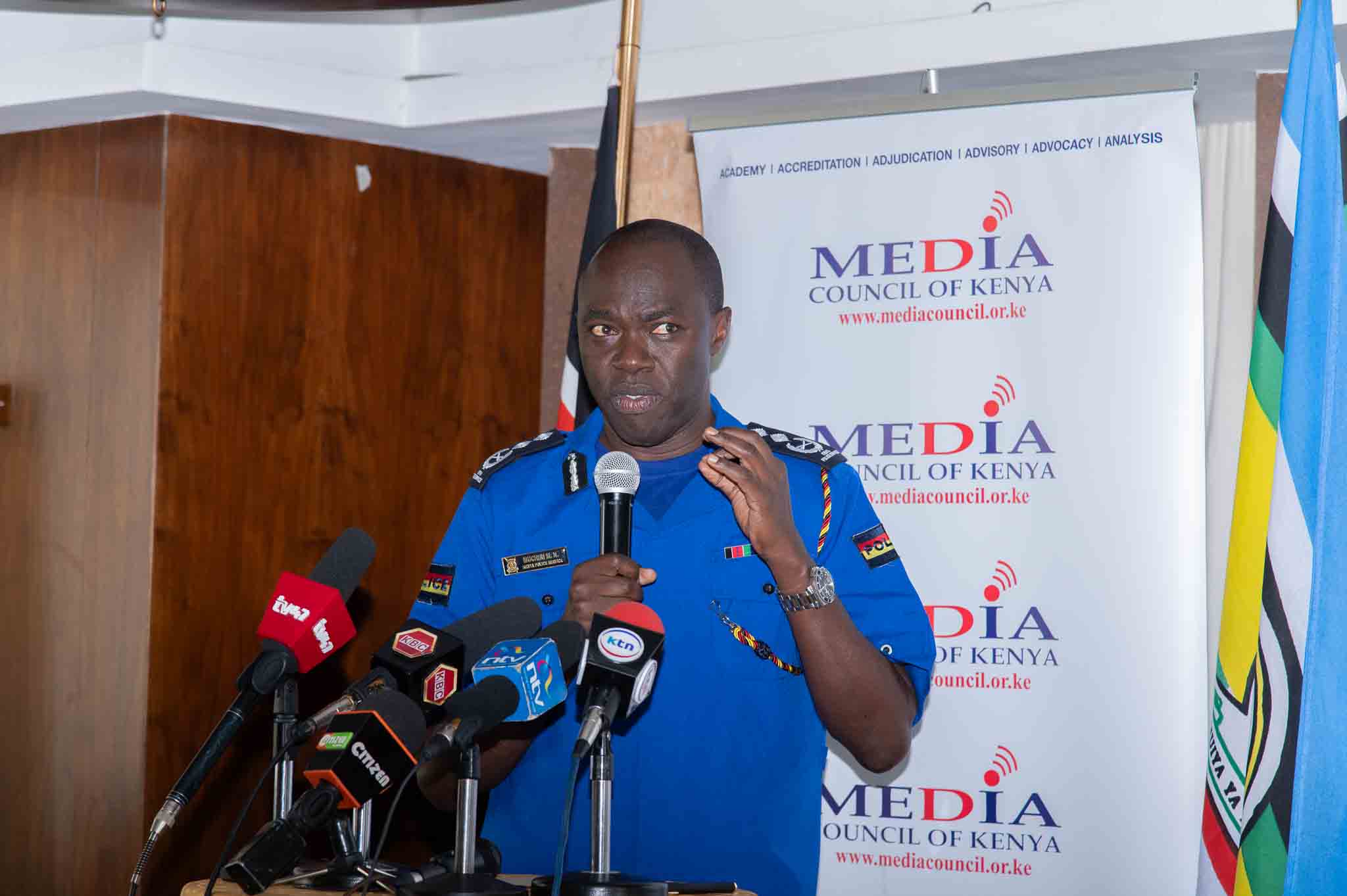 Muchiri noted that Kenya is ranked fairly well among nations that have fostered strong and respectful police-press relations. However, this does not mean that isolated incidents have not occurred, some of which have placed the police in unfortunate and embarrassing situations.
Any culture of interfering with or obstructing the work of the press is unacceptable. The National Police Service, including the Inspector General himself, has unequivocally expressed support for the media.
He underscored that internal disciplinary action remains an open and viable path in addressing instances where the press has been harassed. The National Police Service is fully committed to ensuring that journalists are free to carry out their duties without intimidation. In a recent communication from my office, all officers of the National Police Service were instructed to support and facilitate the work of journalists as they execute their responsibilities.
‘’I want to state categorically that there is sufficient space in this country for both the media and the police to operate without conflict. I have warned officers that any act that undermines press freedom will lead to individual accountability. Such misconduct will not be tolerated,’’ he stated.
He acknowledged that the police are reminded that their service must always be carried out professionally, in the interest of the people and the country, and that those who misuse the freedom of expression to produce content that harms our nation must equally be held accountable, as prescribed by law.
He added that it is the duty of professional journalists to uphold the integrity of the media and to guard against those who, through negligence or malice, bring the profession into disrepute.
He stated that he looks forward to a more proactive and open interaction between the media and the police, including regular workshops and engagements that can help build strong working relationships.