|
Getting your Trinity Audio player ready...
|
By Mercy Kachenge
Nairobi, Kenya: When Kelvin Odhiambo first became a father, he imagined joy, laughter, and a home filled with the sound of his child’s giggles. Instead, his fatherhood journey became one of endless hospital visits, grief, and emotional turmoil. Sitting quietly in his small house in Nairobi, Kelvin’s eyes carry the weight of years of loss. “I have suffered enough,” he says softly. “Sometimes I ask myself why only my family?”
Kelvin’s story is one of resilience amidst pain, a story many men live but rarely tell. For seven years, he has carried the emotional toll of losing multiple children and caring for one with severe disability, while watching his wife endure traumatic pregnancies and surgeries. Each tragedy pushed him closer to the edge, and at one point, he even contemplated ending his life.
“It reached a point where I wanted to buy poison and drink,” he confesses. “I felt like I was finished. But something told me to stop and that my wife and child still needed me.”
Kelvin’s ordeal began in 2017 when his first child was born healthy but later developed complications. Doctors suspected epilepsy and sickle cell disease. “Every week, I took the child to three hospitals: Mathari National Teaching and Referral Hospital, Neema at Kasarani, and even to a German doctor. They tried everything, but nothing worked. My child just stopped talking, walking or doing anything,” he recalls.
In 2020, Kelvin’s wife became pregnant again. Two months before her due date, she underwent a cesarean section at Kenyatta National Hospital. The baby lived for only a week. Financially drained, Kelvin had to leave the body at the hospital and pay a disposal fee. “That was one of the hardest things to bury a child I had barely known,” he says.
Then, in 2022, tragedy struck again. His wife gave birth to twins at Pumwani Hospital. One was stillborn; the other died minutes after a difficult delivery. Kelvin remembers leaving both babies at the hospital. “I had no money, no energy, no strength. I just accepted it,” he says, his voice trembling.
The couple tried to stay strong for their first child, who needed constant therapy. But by December 2024, Kelvin’s wife was pregnant again. “I was in Busia for work when she called saying she was feeling tired,” he recalls. “It was a month before her due date. I sent someone to take her to Pumwani. She delivered, but the baby died immediately.” Doctors blamed high blood pressure during pregnancy.
When another pregnancy followed in 2025, Kelvin braced himself for the worst. His wife’s health deteriorated rapidly. “On October 5th, I took her to Mama Margaret Hospital, but doctors were on strike,” he says. Desperate, he transferred her to a private facility and later to Kenyatta. “That night, she texted me, ‘Pray for me, I’m heading to the theatre.’ I called the whole night, but she never picked.”
The next morning, Kelvin received a call from the hospital. “They told me things did not go as planned,” he recalls. The baby, born through cesarean, survived only three hours. His wife was later taken to ICU due to breathing problems. “That day, I felt like my world had collapsed,” he says. “I was shaking, couldn’t eat, couldn’t sleep. I felt like dying.”
Despite these repeated tragedies, Kelvin has never received psychological counseling. “No one ever told me to seek help,” he says. “Even doctors didn’t ask how I was coping.” Instead, he faced stigma from family and community alike. “My relatives told me to chase my wife away and marry another woman. Her family told her to leave me. But I said no, we have suffered together; why leave now?”
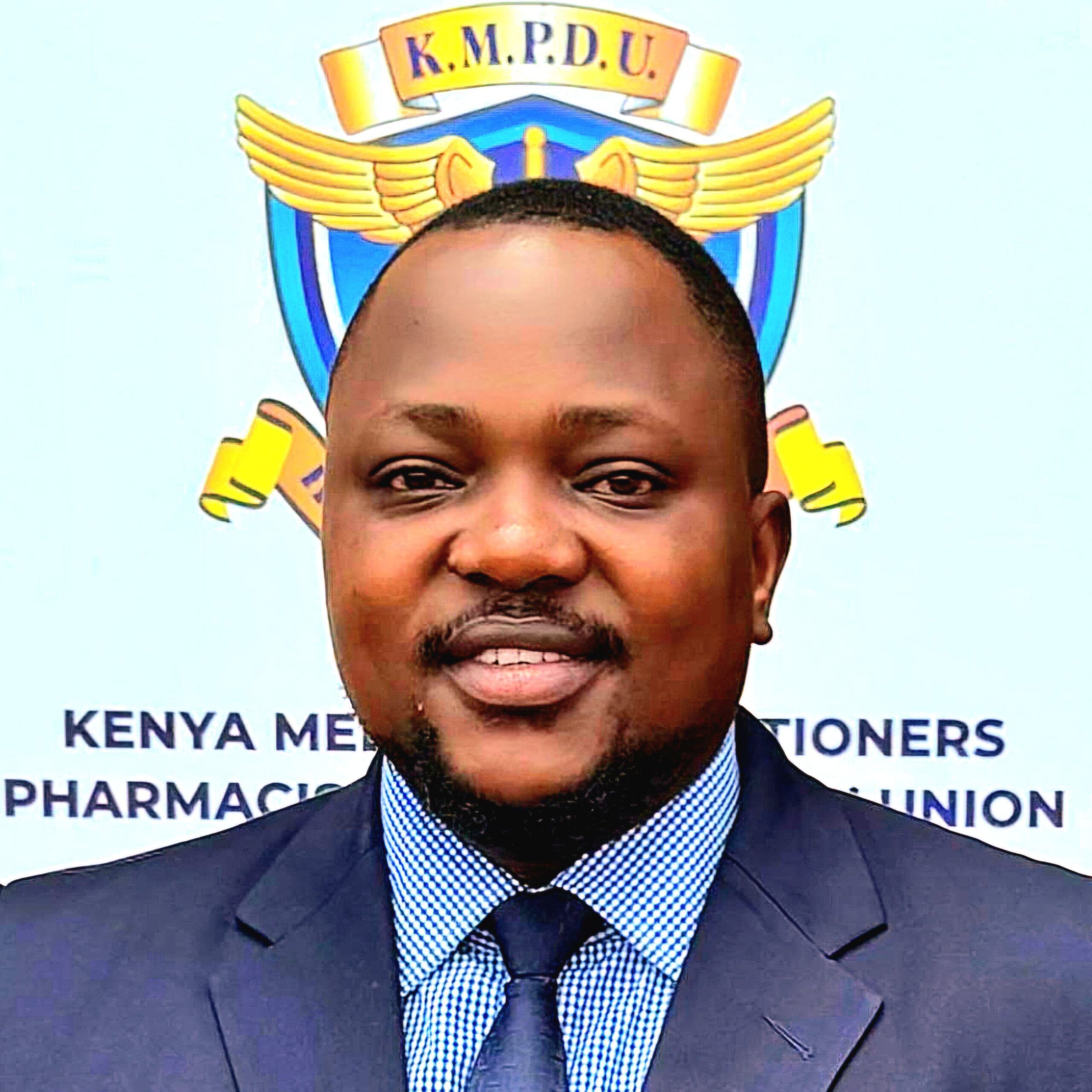
Dr. Dennis Miskellah, a Reproductive Health Specialist and Deputy Secretary General of the Kenya Medical Practitioners, Pharmacists and Dentists Union (KMPDU), says Kelvin’s experience mirrors that of many Kenyan men who silently endure postpartum depression, a condition often associated only with mothers.

“In Kenya, men are completely left out of maternal mental health care,” Dr. Miskellah explains. “We don’t have male-friendly clinics or policies that involve fathers during and after delivery. In fact, in most public hospitals, men are not even allowed into delivery rooms, we chase them away.”
He points out that this exclusion leaves men “groping in the dark,” unprepared for the emotional and practical responsibilities of fatherhood. “We talk to mothers, counsel them, teach them how to care for babies. But fathers? They are forgotten,” he says. “If you didn’t grow up watching how babies are raised, you struggle. That’s when depression sets in and it affects both men and women.”
According to Dr. Miskellah, the lack of mental health screening and awareness for fathers after childbirth is a major gap in Kenya’s healthcare system. “We must have male-friendly delivery areas and involve men from antenatal to postnatal care,” he says. “We also need to train more healthcare workers, doctors, nurses, clinicians in mental health because we have a serious shortage of professionals in this area.”
Studies show that 1 in 10 dads struggle with postpartum depression and anxiety as well. Their symptoms are slowly becoming more recognized, diagnosed, and treated
He notes that unaddressed paternal depression can manifest in dangerous ways: “It can appear as alcohol and drug abuse, intimate partner violence, or even suicide. Yet we keep telling men to ‘man up,’ that they can’t cry or break down. That mentality is killing our fathers and families.”
Dr. Miskellah adds that KMPDU is pushing for reforms to promote family well-being, including extending paternity leave and training more mental health practitioners. “We’re fighting to ensure that male workers can access longer paternal leaves just like mothers. In South Africa, fathers get six months, and that’s what we’re pushing for,” he says. “But it’s not just about leaving, it’s about ensuring men spend that time bonding and supporting their partners, not escaping to drink with friends.”
For Kelvin, support and understanding remain scarce. “People think men are strong, that we can’t break,” he says. “But I broke many times. I just didn’t have anyone to talk to.” His voice falters. “There was a time I wrote a note to his cousin asking him not to let my wife and child suffer if I died.”
He tears up, then pauses. “But I’m still here,” he says. “I tell other men going through the same thing, talk to someone. Don’t keep it in. You can get help. Everything has an end.”
Kelvin’s message is critical in a society where men’s emotional pain remains invisible. The stigma surrounding male vulnerability and the absence of structured support systems mean that thousands of fathers battle postpartum depression alone.
“Men suffer in silence because society doesn’t give them permission to feel,” Dr. Miskellah says. “We must change that. Mental health should not be a gendered issue; it’s a human one.”
As Kelvin continues to care for his wife and child, he finds strength in faith and hope. “I believe God gives and takes,” he says quietly. “Maybe one day, we’ll smile again.”
For now, his story stands as a call to policymakers, doctors, and society to recognize that postpartum depression doesn’t just affect mothers. Fathers, too, cry in silence, and their pain deserves to be seen, heard, and healed.